Malaysia has over 100,000 registered F&B outlets — and competition has never been more intense. From roadside stalls with Instagram accounts to fine dining restaurants with Michelin Bib Gourmand recognition, everyone is competing for the same customer's attention. In this scenario, a good website isn't just an advantage — it's the difference between a full house and empty seats.
The Reality of Malaysia's F&B Industry in 2026
How Malaysians choose where to eat has changed dramatically. In the past, people made decisions based on friends' recommendations or roadside signage. Now? They open Google Maps, browse photos, read reviews, and — most importantly — visit the website before deciding to go.
- Most Malaysians research where to eat online before deciding
- Restaurants with a good website tend to get noticeably more clicks from Google Maps
- A professional website makes a restaurant read as more trustworthy
- Online bookings have grown steadily among Malaysian restaurants since 2022
- Restaurants without a website lose out to those that have one — even if the food quality is better
These figures are indicative of the direction the market has moved, not measured statistics — we have not been able to trace them to a primary source, so treat them as context rather than evidence.
What Customers Look for Before Choosing a Restaurant
Picture this: someone wants to celebrate a birthday with family in Kuala Lumpur. They Google "family-friendly restaurant KL" or "halal fine dining Kuala Lumpur". Google shows several options. They click the one with a website. That website has a clear menu, mouth-watering food photos, and an easy "Make a Reservation" button. Within 3 minutes, they've booked a table.
Your restaurant could have 10x better food — but if there's no website, you don't exist in that decision-making journey.
7 Must-Have Features of an Effective Restaurant Website
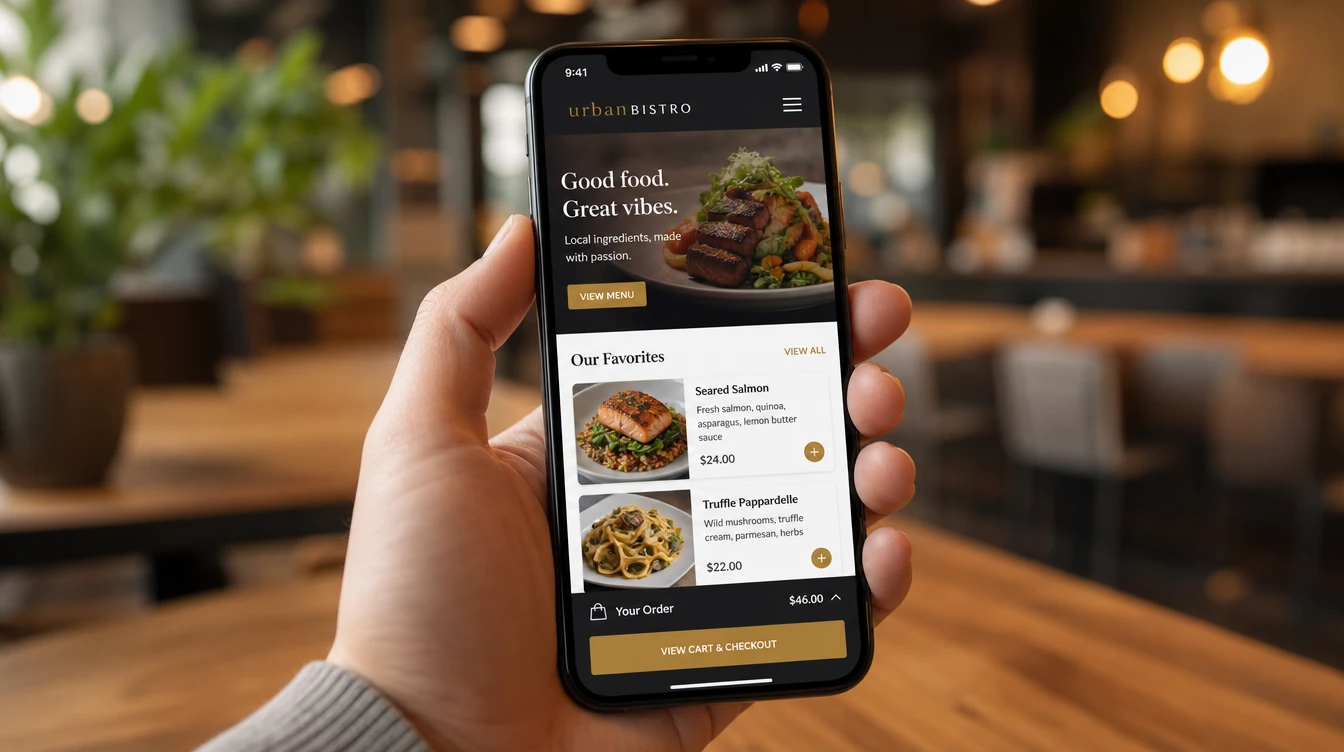
- 1A complete, readable digital menu — with name, description, and price. Better yet, include photos for each item.
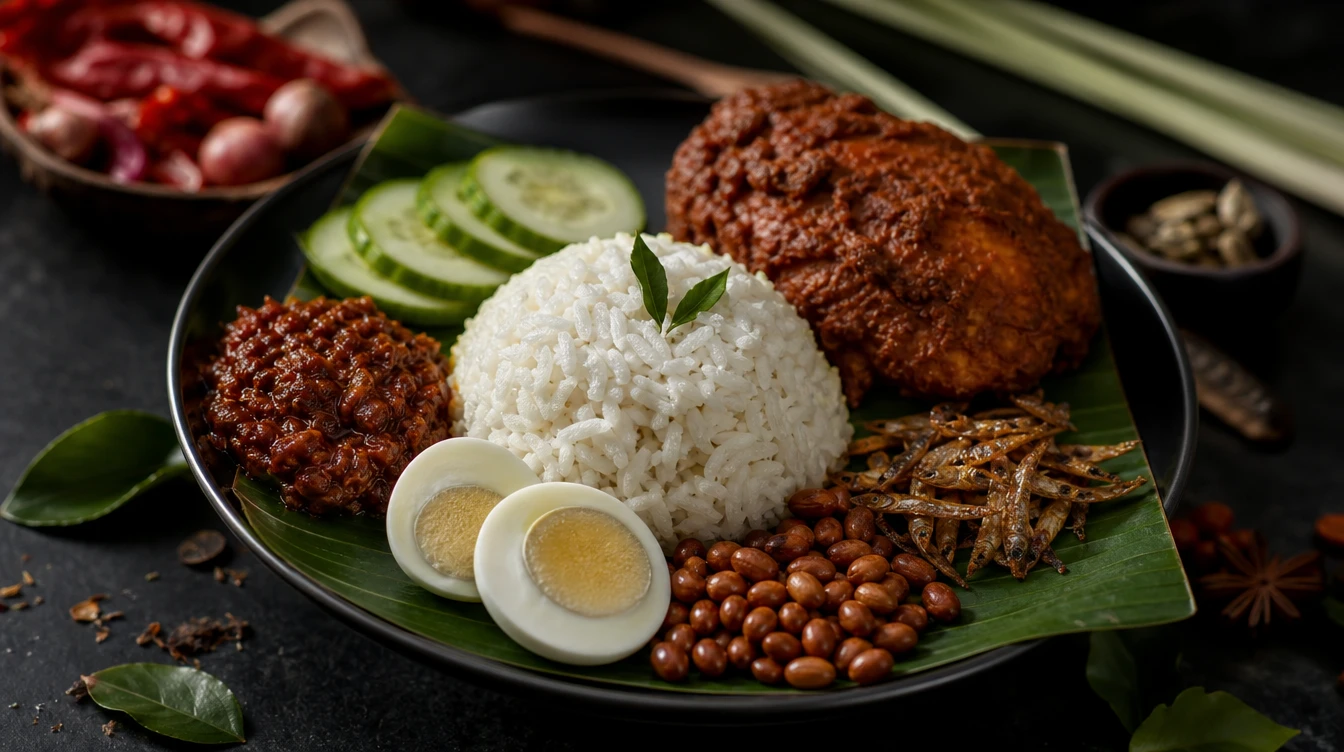
- 2High-quality food photography — good photography sells better than long copywriting.
- 3Location with embedded Google Maps — customers need to know how to get there, and a tappable map that links directly to navigation.
- 4Clear opening hours — including break times, closed days, and special hours during public holidays.
- 5Online booking system — whether via Google Forms, a dedicated booking system, or a WhatsApp link that pre-populates the message.
- 6A prominent WhatsApp button — for orders, enquiries, and direct bookings. Malaysians prefer WhatsApp.
- 7A tappable phone number (tel: link) — don't make customers copy-paste your number.
Pro tip: Keep your menu updated. Nothing is more frustrating than arriving at a restaurant to find the website menu is different from what's actually served. This destroys customer trust.
Common Mistakes That Drive Customers Away
We've audited dozens of Malaysian restaurant websites. The same mistakes keep appearing:
- Food photos taken with an old phone in dim lighting — better to have no photo than a bad one
- Website not mobile-friendly — 80% of visitors are on their phone, and a non-responsive website will be abandoned in 3 seconds
- No clear call-to-action — visitors don't know what to do after viewing the menu
- Slow loading due to oversized images — every extra second of load time costs you visitors
- Outdated information — old menu, changed prices, wrong operating hours
- No halal/vegetarian information — crucial for Malaysia's diverse market
Illustrative Example: A Traditional Malay Restaurant
This is an illustrative example, not a Baloot.my client. The restaurant and the figures below are composites used to show how the pieces fit together — treat them as a worked example, not as measured results.
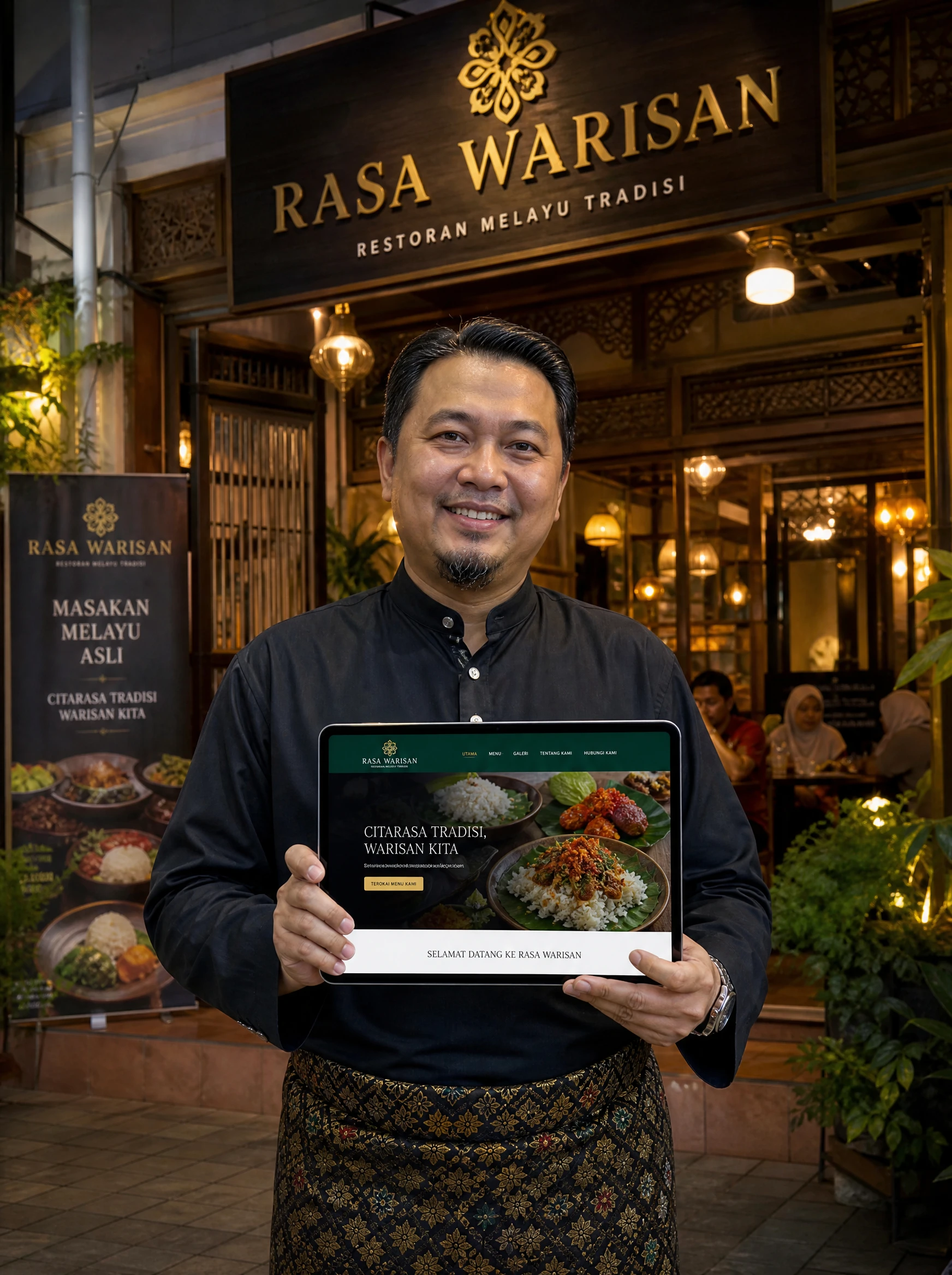
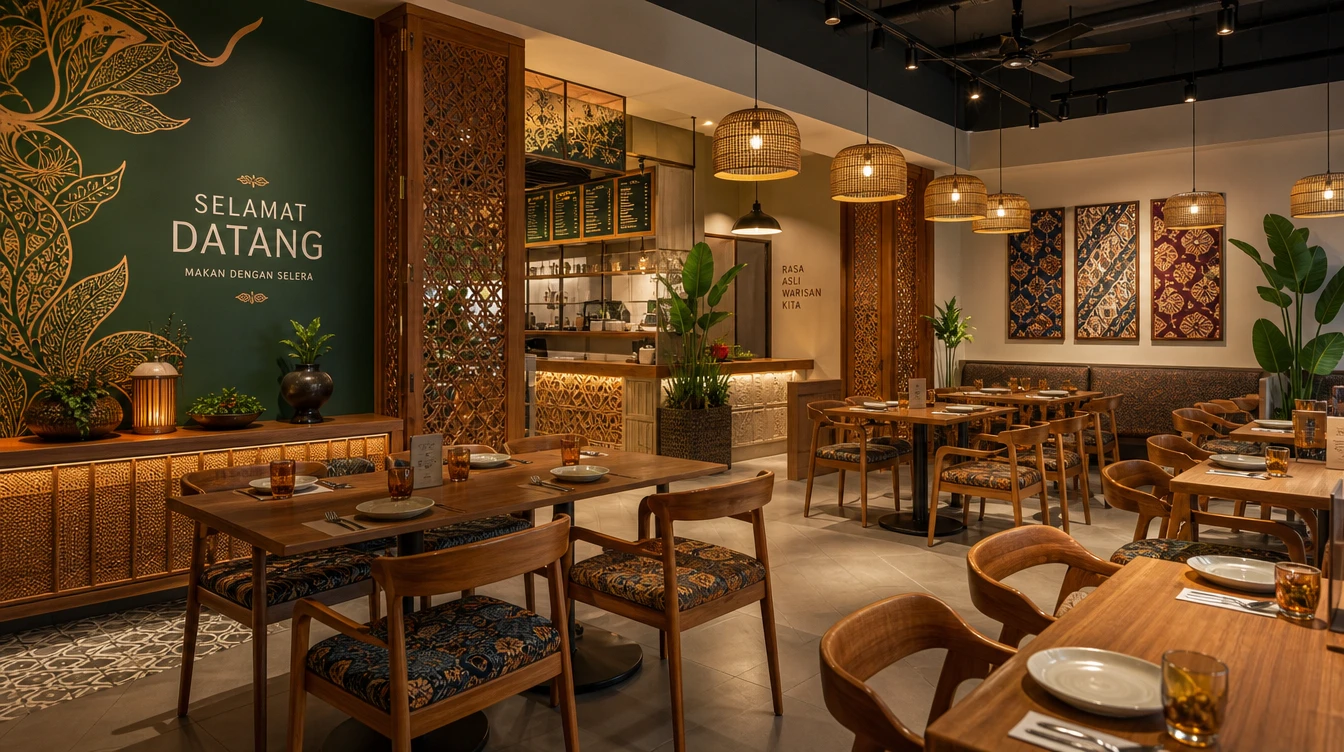
Picture a traditional Malay restaurant on Jalan Ampang that has been open for 8 years. The food gets high praise, but the business relies almost entirely on regulars and word of mouth.
Before the Website
- 20–30 new customers per month, mostly from walk-ins and referrals
- No booking system — customers had to call or come in directly
- Google Business existed but photos and information were incomplete
- Google rating: 3.8 (few reviews as there was no easy way to encourage them)
- Revenue stagnant for 2 years
After the Website Launched (6 months)
- 80–100 new customers per month — roughly 3× the earlier figure (a 25 → 90 monthly average is a 260% increase)
- 40% came from Google Search after finding the website
- WhatsApp bookings increased from 5 to 60+ per month
- Google rating rose from 3.8 to 4.6 (a review page link on the website helped)
- Overall revenue increased 35% within 6 months
In this example the website pays for itself within a few months. Whether it does the same for your restaurant depends on your margins, your current customer volume, and how much of your demand already comes from search — worth working through with your own numbers first.
SEO Tips for Malaysian Restaurants
A website alone isn't enough — you need to make sure people can find it. Here's a basic SEO guide for Malaysian restaurants:
- 1Register and optimise your Google Business Profile (free) — ensure quality photos, correct opening hours, and respond to all reviews
- 2Use local keywords on your website: 'restaurant [area name]', 'dinner [city name]', 'halal eatery [area name]'
- 3Ask customers to leave a Google Review — you can place a QR code on tables or receipts
- 4Ensure NAP (Name, Address, Phone) is consistent across Google, your website, Facebook, and all platforms
- 5Write blog posts or articles about your cuisine — Google loves relevant, fresh content
- 6Tag your location in all social media photos to boost local SEO
At Baloot.my, we specialise in building F&B websites that are not just beautiful — but designed to be found on Google and to convert visitors into real customers. We understand the Malaysian market, local visual preferences, and what truly works for the food and beverage industry here.
Next Step
Want a website that actually brings in enquiries?
We build sites that load fast, work properly on a phone, and are laid out so visitors know what to do next. Fixed quote before work starts.