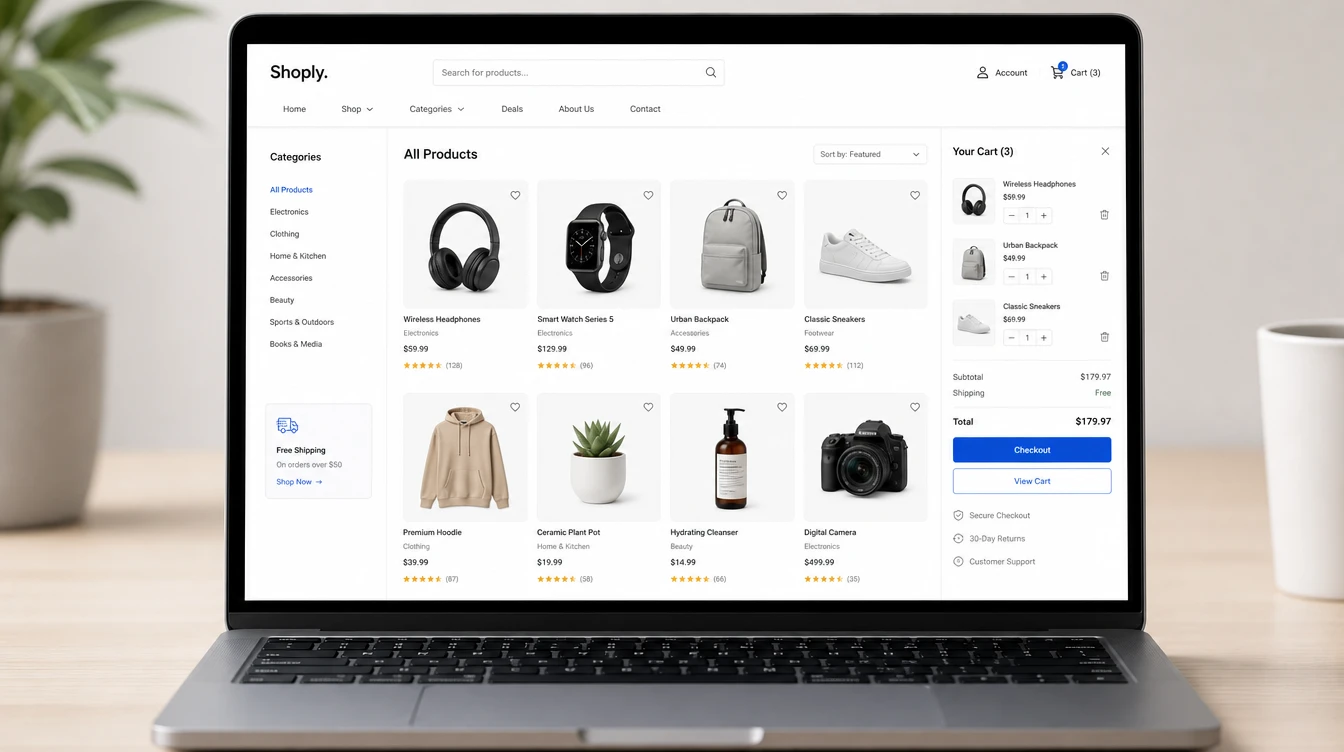
Malaysia's ecommerce market hit RM11 billion in 2023 and continues to grow. More and more merchants — from Shopee sellers looking to level up to companies wanting to build their own brand — are asking the same question: Shopify or WooCommerce? Both are solid platforms, but choosing the wrong one can waste your time and money.
Spoiler: there's no one-size-fits-all answer. What matters is understanding your own business needs.
Malaysian Ecommerce: An Opportunity You Can't Miss
Malaysians are among the most active online shoppers in Southeast Asia. Latest statistics show 76% of Malaysian internet users shop online at least once a month. But what's even more interesting: more people are preferring to buy from brand websites directly rather than marketplaces like Shopee or Lazada — because of higher trust and a more exclusive experience.
- A large majority of Malaysian internet users shop online every month
- Malaysian ecommerce has been growing at a strong double-digit rate each year
- Most online transactions now happen on a phone rather than a desktop
- Best-selling categories: fashion, F&B, electronics, beauty
- Significant increase in direct-to-consumer (DTC) brand website purchases
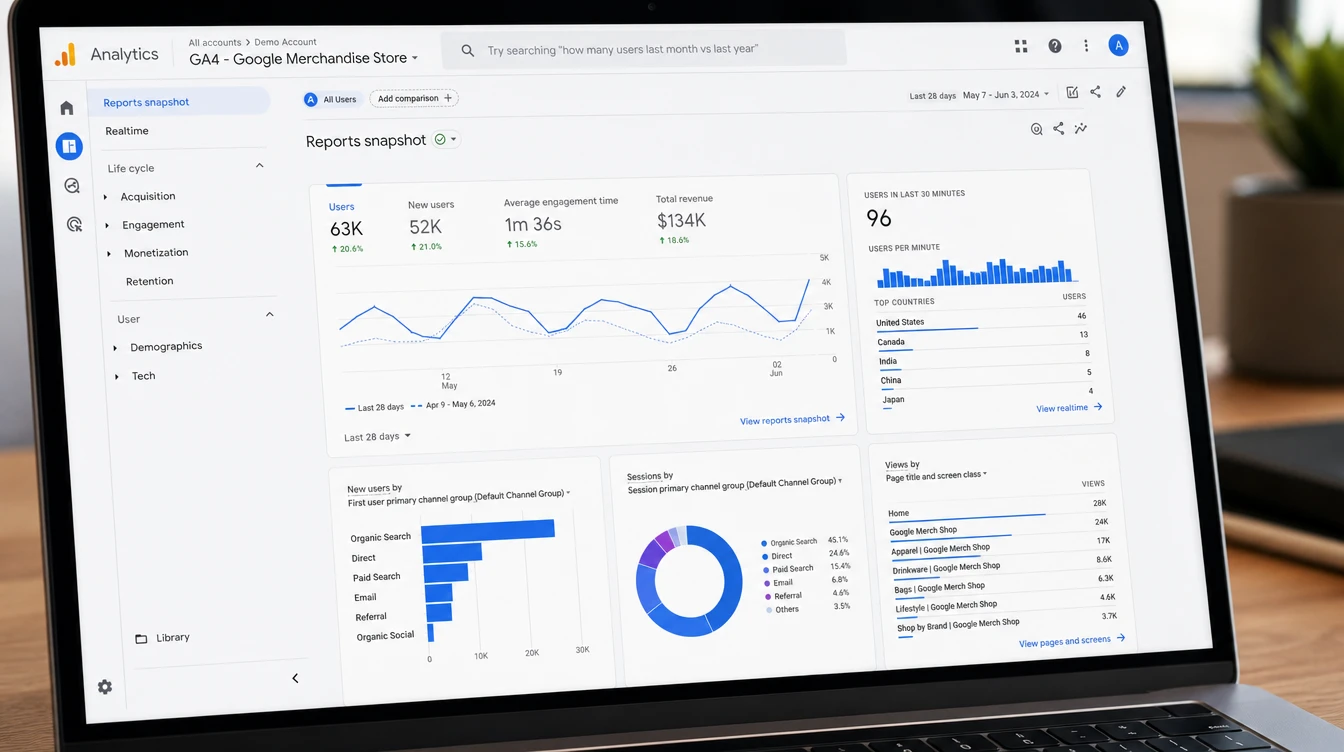
Shopify: The Easiest Platform for Beginners
Shopify is an all-in-one platform designed from the ground up to make online selling easy. You need zero coding knowledge. Setting up a store within 24–48 hours is common for merchants just starting out.
Shopify Advantages
- Fast setup — can be selling within 24 hours with no technical knowledge
- Hosting included — no need to buy separate hosting, 99.99% uptime guaranteed
- Free SSL certificate for secure transactions
- 24/7 support — reachable anytime via chat, email, or phone
- 100+ professional themes, many free
- Shopify Payments available in Malaysia since 2023 — less friction for buyers
- Mobile app to manage store, add products, and monitor sales anywhere
- Vast app ecosystem — easy integration with SEO, email marketing, analytics
Shopify Disadvantages
- Ongoing monthly fees: RM130 (Basic) to RM550+ (Advanced) per month
- Transaction fee of 0.5–2% if using payment gateways other than Shopify Payments
- Limited customisation — hard to change beyond what the template allows
- Full dependency on the Shopify platform — if they change policies, you're affected
- Additional costs for premium apps you may need
WooCommerce: Full Power in Your Hands
WooCommerce is a free ecommerce plugin for WordPress. It's not a standalone platform — you need a WordPress website first. But this also means you have full control over every aspect of your store.
WooCommerce Advantages
- The plugin itself is free — no monthly platform fee
- Fully customisable — HTML, CSS, PHP, everything can be changed as you wish
- No transaction fee per sale
- Thousands of free and premium plugins to add functionality
- Very strong SEO with Yoast SEO — easier to rank on Google
- You own your data fully — no third party can 'shut down' your store
- One-time setup cost — only pay annual hosting after that
WooCommerce Disadvantages
- Must buy and set up hosting yourself (RM150–400/year for shared, more for VPS)
- Maintenance and security updates need to be done regularly
- No official support — dependent on community and developers
- More complex setup, requires technical knowledge or paying a developer
- Any technical issues, you handle yourself or seek help
Direct Comparison: Shopify vs WooCommerce
| Aspect | Shopify | WooCommerce |
|---|---|---|
| Setup Cost | RM0 (pay monthly) | RM300 – RM800 (one-time) |
| Monthly Cost | RM130 – RM550+ | RM15 – RM50 (hosting) |
| Ease of Setup | Very Easy ⭐⭐⭐⭐⭐ | Moderate ⭐⭐⭐ |
| Customisation | Limited | Full & Free |
| Hosting | Included | Buy Separately |
| Official Support | 24/7 Live Chat | Community Forum |
| Transaction Fee | Yes (0.5–2%) | None |
| SEO | Good | Excellent |
| Best For | Beginners, busy SMEs | Developers, Pro Users |
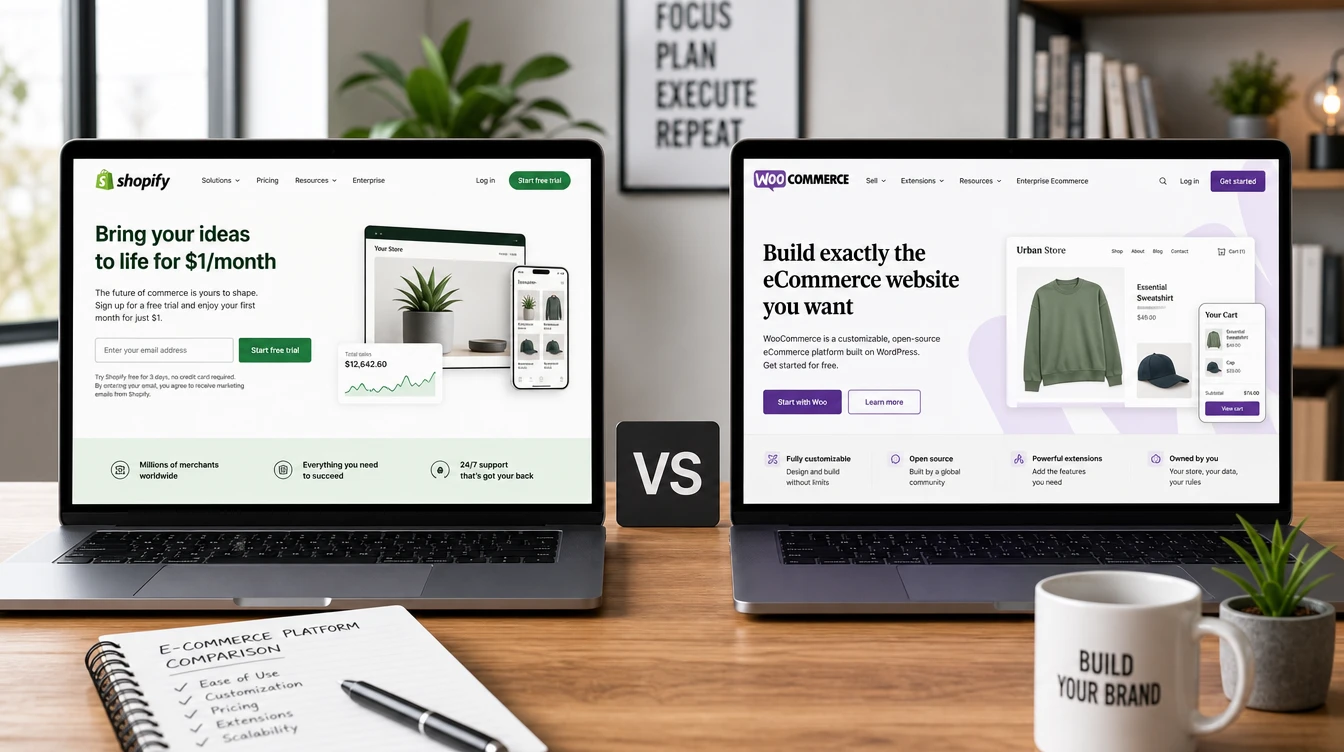
Which One Is Right for Your Business?
The simple answer: choose Shopify if you want to focus on selling and marketing — not on technical work. Choose WooCommerce if you have a developer (or can hire one), want full control, and want to save costs long-term.
For beginners or busy SMEs: Shopify. For businesses that need full customisation or have a developer: WooCommerce.
Malaysian Merchant Stories: Real Experiences
Farah, a tudung (headscarf) entrepreneur from Kota Bharu, started her online store with Shopify in early 2024. "Within 2 days, my store was ready to accept orders. I focused on Instagram and TikTok content, and Shopify handled all the technical stuff. Within 3 months, I was getting 150+ orders a month."
In contrast, Rizwan, founder of a sporting goods brand from Selangor, chose WooCommerce. "We needed a custom loyalty points system, integration with our internal stock system, and a custom checkout. WooCommerce gave us that freedom. It was tough at the start — but now our store does over RM80,000 a month with minimal platform costs."
Baloot.my has experience setting up both platforms for Malaysian merchants. We can help you choose the most suitable one and set up from scratch — including Malaysian payment gateways (FPX, Touch n Go, Grab Pay), shipping, and initial SEO.
Next Step
Want to sell direct without marketplace commission?
Your own store, Malaysian payment gateways, and shipping that actually works. We handle the full setup.